
White evening gown: On which occasions is it appropriate, and where is it forbidden?

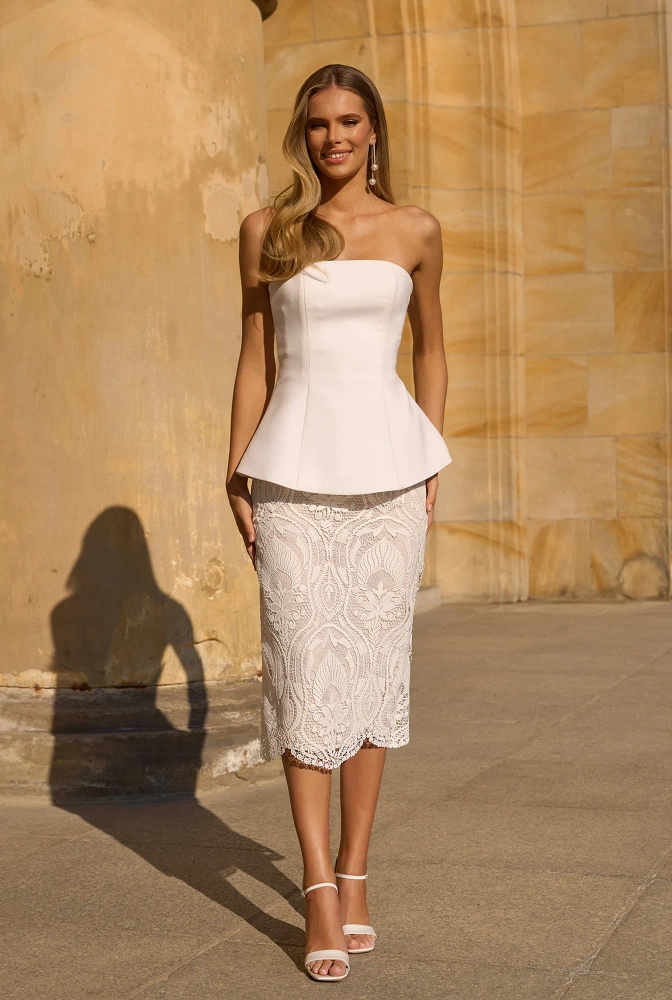

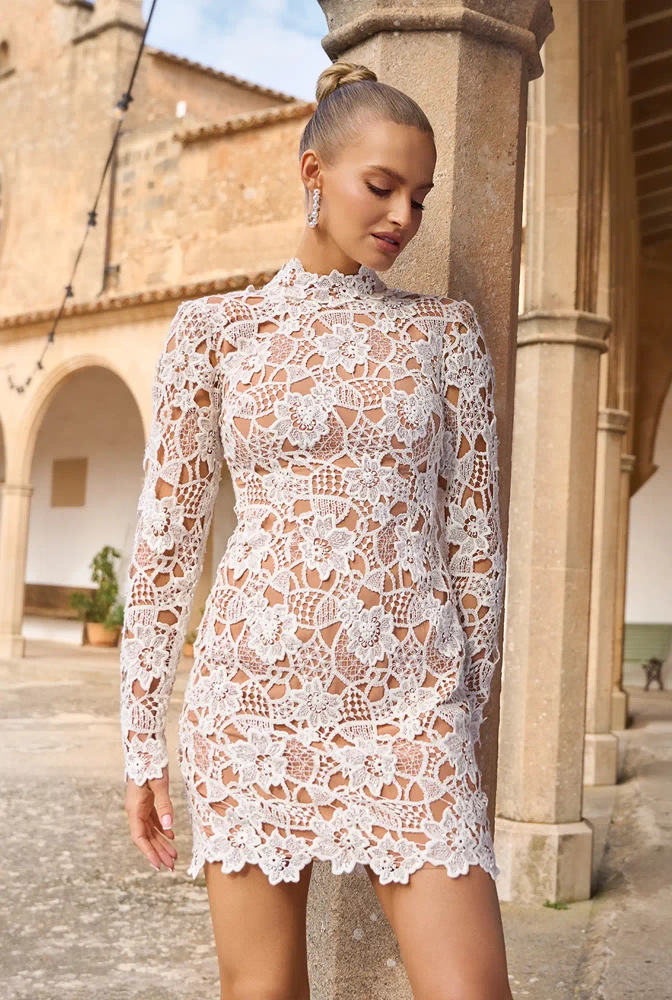

Afraid of a fashion faux pas at a wedding or gala? Find out when a white evening gown is allowed and where it's strictly forbidden. Learn the rules and avoid mistakes!
Czytaj więcej
White Evening Gowns and Etiquette – Where Does the Fear of a Fashion Faux Pas Come From?
Choosing a snowy white outfit for an evening out often sparks strong emotions and carries a significant risk of a social slip-up. Women frequently avoid this color out of fear of public criticism or unconsciously violating unwritten dress code rules. Etiquette in this regard can be unforgiving, even as modern fashion increasingly pushes the boundaries of what is acceptable. Understanding the origins of these fears allows you to make an informed decision and avoid a situation where your outfit distracts from the event itself or its hosts.
The Symbolism of White and Contemporary Trends
In many cultures, white is deeply rooted as a symbol of innocence, purity, and new beginnings, which for decades reserved it almost exclusively for religious and wedding ceremonies. Over the years, the belief took hold that wearing a white evening gown anywhere other than your own wedding was an expression of arrogance or a lack of respect for tradition. However, 2025 marks a clear shift in how this color is perceived on red carpets and runways. Designers are increasingly treating white as a synonym for luxurious minimalism and self-confidence, stripping it of its purely sacral context. Today's woman sees in white the potential to create a fresh, rejuvenating look that stands out against the ubiquitous black or navy blue. Despite this evolution, in highly formal situations, traditional symbolism still takes precedence, requiring great caution when choosing the occasion.
The "Second Bride" Effect – Why Guests Fear Light-Colored Outfits
The ultimate nightmare for any woman invited to a ceremony is being mistaken for the main protagonist of the event. The "second bride" effect is a psychological and social phenomenon that causes discomfort for both the person wearing white and the bride herself. Guests instinctively avoid long, light-colored gowns to prevent drawing gazes that should be fixed on the newlyweds. This fear is justified: white optically dominates in crowds and group photos, which can be interpreted as a deliberate attempt to outshine the hostess. Even the most beautiful evening dress loses its charm when it becomes the cause of social scandal and whispers. Therefore, the fear of this effect acts as a natural brake, effectively eliminating white outfits from most family and wedding-related events.
Etiquette rules evolve, but respect for the hosts remains constant, ensuring that white remains a color that demands the greatest sense of tact and situational awareness.
Weddings – Is a White Evening Gown Definitive Forbidden for Guests?
The topic of wedding guest attire is a minefield where mistakes can easily impact relationships with the couple. It is generally accepted that white is absolutely reserved for the bride, and this monopoly should not be violated under any circumstances. However, reality is becoming more nuanced, and the rigid frames of savoir-vivre are starting to crack under the pressure of new event styles. Deciding to wear a light outfit to a wedding requires not just courage, but above all, a perfect understanding of the event's character and your relationship with the bride.
Iron Rules of Wedding Savoir-Vivre and the Risk of Mistaken Identity
Traditional wedding etiquette leaves no room for doubt: white is the exclusive color of the bride. A guest wearing a white dress is often seen as committing a major faux pas, signaling a lack of personal culture and a desire to draw attention at the expense of the person of the day. This rule applies specifically to long ball gowns, lace, and styles that resemble bridal wear. Even if the bride claims she doesn't mind, the environment and older generations of guests will likely judge the choice negatively. The risk of being mistaken is real, especially in the dim lighting of a ballroom or in reportage photos where a bright patch of color immediately draws the eye. Respect for tradition and the psychological comfort of the newlyweds usually dictates a complete avoidance of pure white on this specific day.
Exceptions to the Rule – Boho, Beach Weddings, and All-White Dress Codes
There are scenarios where a white outfit for a guest is not only acceptable but encouraged. Modern themed weddings follow their own rules. Boho-style weddings held outdoors, on the beach, or in a garden often feature a more relaxed approach to etiquette, where airy, light dresses fit the natural vibe of the ceremony. An even more distinct exception is when the couple sets a specific dress code, such as an "All White Party." In this case, guests are requested to arrive in white to create a cohesive and striking visual setting. In such a situation, wearing any other color would be a mistake. However, unless the invitation specifies the dress code as "white only," it is always safer to assume the traditional ban remains in place.
Safe Derivative Shades – When Ecru, Champagne, and Powder Pink Save the Day
If you desire a light, face-brightening look but want to avoid the controversy of pure white, the palette of derivative shades is the perfect solution. Tones like ecru, champagne, dove gray, or very light powder pink are elegant and flattering while remaining clearly distinguishable from a snowy white wedding dress. The key to success here lies in the fabric texture and the cut. A smooth, satin champagne gold dress won't be as strongly associated with a wedding as a lace gown in the same shade. It is also worth checking that the shade isn't too close to the bride's dress, as many modern brides now choose cream or beige over pure white. Pastels are a safe bet, maintaining the lightness of the style without violating wedding protocol.
Galas, Premieres, and Grand Events – When White is a Symbol of Luxury
Outside the wedding context, white flips its meaning entirely, becoming a synonym for sophistication, class, and status. At prestigious cultural and charity events, a white evening gown allows one to stand out from the crowd dressed in "safe" black. It is a demanding color that reveals every imperfection in cut or material, which is why choosing it signals confidence and excellent taste.
Opera, Theater, and Philharmonic – Styling Light Outfits for Cultural Events
A trip to the opera or a grand theater premiere is the perfect opportunity to wear a white evening gown with a simple, architectural cut. In this environment, white is perceived as a mark of respect for the artists and the significance of the event. However, avoid styles that are too "ballroom-like" or voluminous, as they might disturb other viewers. Fitted columns, silk gowns, or velvet dresses look incredibly noble in the artificial light of the foyer. Opera styling should be toned down—instead of flashy jewelry, opt for pearls or minimalist gold. A crucial element is the outerwear; an elegant stole or a blazer in a contrasting color will complete the look and give it a more evening-appropriate, less bridal feel.
Charity Balls and Corporate Banquets – White Tie and Black Tie Elegance
The most formal events, such as charity balls or diplomatic banquets, often carry "white tie" or "black tie" designations. In the case of "white tie"—the most rigorous of dress codes—a long ball gown is mandatory, and white is one of the most desirable colors alongside silver and gold. This is the moment for grand scale—trains, embellishments, and noble fabrics are all appropriate. At corporate banquets, white builds an image of professionalism and authority, provided the cut of the dress remains modest. A white evening suit or a blazer-style dress is a modern interpretation of elegance that works perfectly in a business environment.
How to Wear a White Evening Gown Without Looking Like a Bride
The key to a successful outfit with a white dress is consciously "demystifying" its bridal character. The line between evening wear and bridal wear is thin, so every element of the outfit must be intentional. The right choice of cut, fabric, and accessories determines whether you are seen as a style icon or someone who went to the wrong party.
Cut Matters – Why Avoid Tulle, Trains, and Heavy Lace?
To avoid wedding associations, steer clear of elements typical of bridal fashion. Voluminous skirts with many layers of tulle, crystal-encrusted corsets, long trains, and classic floral lace are the hallmarks of a bride. When choosing a gown for a gala, go for modern cuts: deep back cutouts, asymmetrical straps, high leg slits, or minimalist, smooth forms. Materials like heavy satin, crepe, or silk work better than romantic tulle. The dress should feel "fashion-forward" rather than "fairytale." Geometric forms and sharp lines effectively neutralize the romantic bridal vibe, providing a modern evening edge.
The Power of Contrasting Accessories – Shoes, Bags, and Jewelry
Accessories have the final say in the overall perception of the look. The biggest mistake is pairing a white dress with white shoes and a white bag—this "total look" is almost exclusively for brides. Instead, introduce strong contrast. Black stiletto sandals, a metallic gunmetal clutch, or a bag in an intense color like emerald or cobalt immediately change the character of the outfit. Jewelry should also be bold—instead of delicate pearls, choose large geometric earrings, chunky bracelets, or colorful gemstones. Darker, heavier accessories "ground" the white dress, moving it from the sacral sphere to evening elegance.
Hair and Makeup for White Outfits – Modern Minimalism or Vampy Look
Beauty styling is the finishing touch. Bridal hairstyles are usually intricate updos or braids decorated with flowers. To avoid this, opt for a simple, modern hairstyle: perfectly smooth hair slicked back, a "wet look," or loose, effortless beach waves. In makeup, avoid the delicate pinks and highlighters typical of bridal looks. Go for a bold accent—dark wine-colored lips or a graphic black smokey eye. This vampy or high-fashion look contradicts the innocent image of a bride, making the white gown a backdrop for a strong personality rather than a costume.
Alternatives to White – When to Choose Red or Black?
When the risk of wearing white seems too high, turn to the classics that guarantee a spectacular effect without the risk of a faux pas. Black and red are powerful colors with established positions in evening fashion. They are safe yet allow for the expression of individual style.
Red Evening Gowns – A Bold Choice That Turns Heads
If your goal is to stand out and emphasize femininity, a red evening gown is unrivaled. It is the color of energy, passion, and confidence. Unlike white, it is acceptable at almost any event. Red looks great in artificial light, in photos, and while dancing. It is a perfect choice for weddings (unless very conservative), proms, and New Year’s Eve balls. A red outfit doesn't need many accessories—it is a piece of jewelry in itself.
Black Evening Gowns – Is it Appropriate for Joyful Occasions?
The myth that black is inappropriate for weddings because it's associated with mourning is largely dead. Today, a black evening gown is considered the height of elegance and versatility. A little black dress or a long statuesque gown is a safe, slimming, and incredibly chic choice. For galas, premieres, and banquets, black is the default color of excellence.
Where to Buy the Perfect Evening Gown?
Finding the ideal outfit requires a strategy matched to your budget and expectations. Whether you are hunting for the season's hottest new arrivals or luxury quality at a promotional price, the market offers solutions tailored to different shopping styles.
Latest Collections and Evening Trends
For women who want to be a step ahead and value uniqueness, the best destination is the "new arrivals" section of online stores and designer boutiques. Asymmetries, cut-outs, and a return to 90s aesthetics dominate. Investing in an evening gown from a new collection ensures your look is aligned with current trends and crafted from modern materials.
Sales and Fashion Outlets – Luxury Quality at a Lower Price
If your budget is limited but you don't want to sacrifice quality, sales sections are your best ally. You can often find models from previous seasons that don't differ from the classics in style, but are priced 50-70% lower. Simple black, red, or white gowns never go out of style, making them perfect outlet finds.
Online Shopping – How to Choose the Right Size
To avoid returns, do not rely solely on your standard size (S, M, L). Always check the manufacturer's specific measurement table. Key measurements include bust, waist, and hips. Measure yourself directly over the underwear you plan to wear. If the fabric lacks elastane, consider sizing up. Analyzing customer reviews and photos on different silhouettes helps evaluate how the gown drapes in reality.



